CK2 inhibitor CX-4945 targets the EWS-FLI1 signaling network and shows anti-tumor activity in preclinical models of metastatic Ewing Sarcoma

2026-11-24T14:13:49-05:00November 24th, 2026|

Ewing sarcoma (ES) is an aggressive bone tumor that primarily affects children, adolescents, and young adults. EWS-FLI1 oncogenic fusion protein is indispensable for most ES tumor survival and progression. Casein kinase II (CK2) is a serine/threonine kinase that plays an essential role in apoptosis, DNA damage repair, and the cell cycle. CK2 is highly expressed [...]
Strengthening Individual-Patient Treatment Prediction in Precision Oncology: The Case for a National Evidence Infrastructure

2026-10-08T09:34:41-04:00October 8th, 2026|

Precision oncology has transformed cancer treatment by linking molecular features to therapies that can produce large and durable benefits. Imatinib in BCR::ABL1-positive chronic myeloid leukemia, trastuzumab in human epidermal growth factor receptor 2–positive breast cancer, osimertinib in EGFR-mutant non–small cell lung cancer, and larotrectinib in NTRK fusion–positive cancers are canonical examples.1-5 Across a broader evidence base, a meta-analysis of 570 [...]

Precision medicine directed therapy enabling long-term survival in medulloblastoma: a case report

2026-07-14T10:21:35-04:00July 14th, 2026|

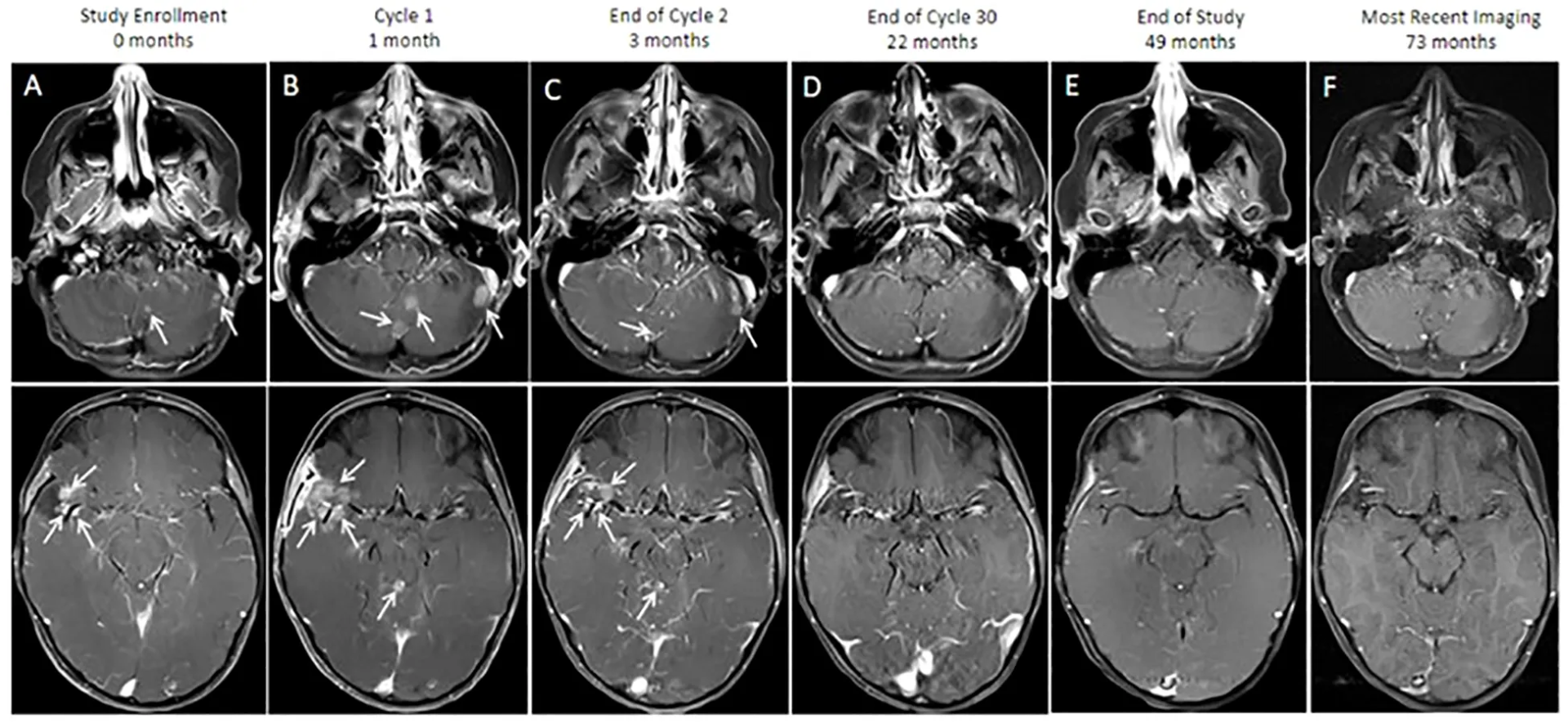
Subgroup-SHH of medulloblastoma (MB) is primarily found in children, with an increased propensity for metastatic presentation that contributes to its poor prognosis. Current therapy approaches may include surgery, radiation, systematic chemotherapy, and autologous stem cell transplant (ASCT). At relapse, patients may receive additional chemotherapy and radiation if possible. The outcome for relapsed patients is 10-30% [...]

Establishment of Patient-Derived Organoids for Pediatric Cancer Research

2026-05-04T09:12:04-04:00May 4th, 2026|

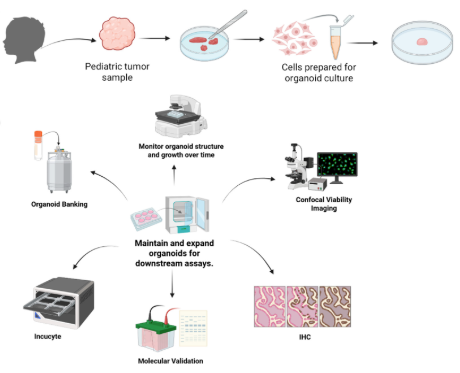
Childhood cancer arises from disrupted developmental processes driven by genetic and epigenetic changes, making them fundamentally different from adult malignancies. Understanding this unique biology requires models that faithfully capture the complexity of pediatric cancer. Patient-derived organoids (PDOs) have emerged as a transformative tool in this space, preserving the heterogeneity, plasticity and microenvironmental features of the [...]

In Vitro and In Vivo Efficacy of Romidepsin Alone and in Addition to Standard of Care for Treatment of Ewing Sarcoma

2026-01-12T16:48:45-05:00January 12th, 2026|

Smith KH, Trovillion EM, McKinney KQ, Gourabathini P, Wells K, Gandra D, Sholler C, Votruba I, Oesterheld J, Saulnier Sholler GL. In Vitro and In Vivo Efficacy of Romidepsin Alone and in Addition to Standard of Care for Treatment of Ewing Sarcoma. Cancers (Basel). 2025 Dec 17;17(24):4018. doi: 10.3390/cancers17244018. PMID: 41463266; PMCID: PMC12730613. In Vitro and [...]

Molecular guided therapy leading to exceptional response in relapsed osteosarcoma

2026-01-05T09:16:01-05:00January 5th, 2026|

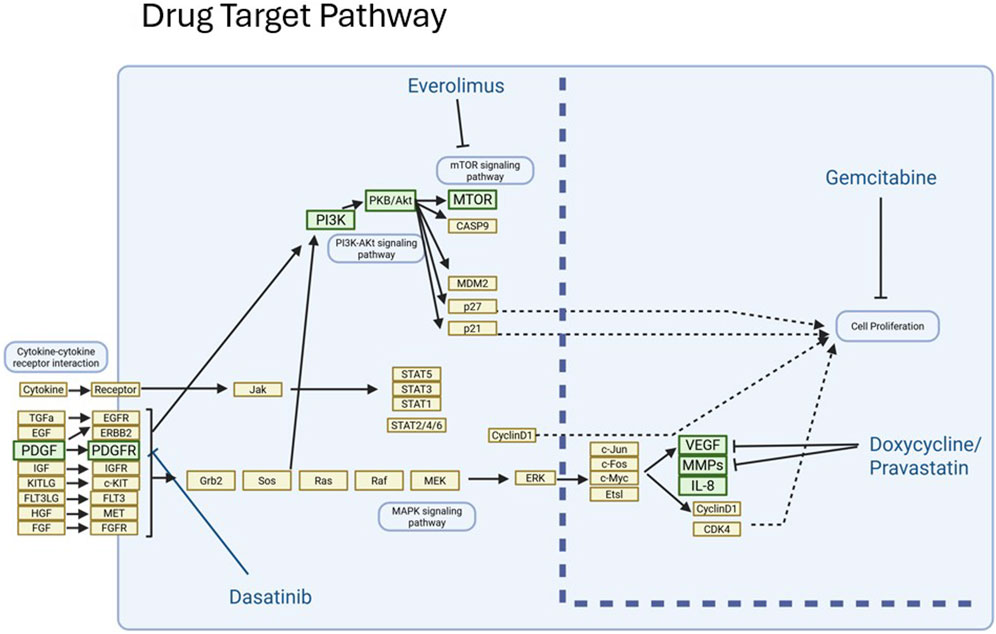
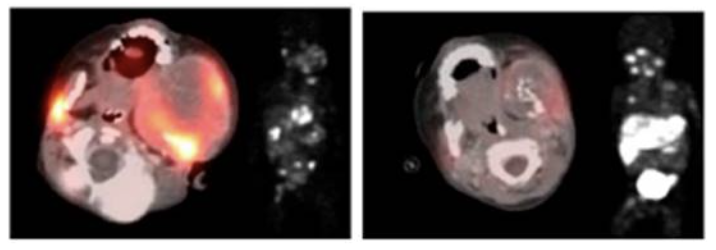
Osteosarcoma is the most common type of primary malignant bone tumor in children, adolescents and young adults and remains a significant clinical challenge, especially in the context of metastatic disease. Here we report the case of a 9-year-old female with refractory metastatic osteoblastic osteosarcoma with disease progression in the lungs following neoadjuvant chemotherapy, local control [...]

Naxitamab-Combination Therapy for the Treatment of Patients With Refractory and/or Relapsed High-Risk Neuroblastoma

2025-10-02T09:27:48-04:00October 2nd, 2025|

Approved treatments for patients with refractory and/or relapsed (R/R) high-risk (HR) neuroblastoma are limited, and there is a need for new treatment combinations. In this case series, 4 patients were treated with the anti-GD2 monoclonal antibody naxitamab and granulocyte-macrophage colony-stimulating factor (GM-CSF) in combination with cyclophosphamide and topotecan between August 2021 and December 2022. This [...]

Polyamine Inhibition with DFMO: Shifting the Paradigm in Neuroblastoma Therapy

2025-02-18T12:11:19-05:00February 18th, 2025|

Neuroblastoma is a common childhood malignancy, and high-risk presentations, including an MYCN amplified status, continue to result in poor survival. Difluoromethylornithine (DFMO) is a new and well-tolerated treatment for high-risk neuroblastoma. This review article discusses preclinical and clinical data that resulted in the establishment of DFMO as a treatment for neuroblastoma. The review of preclinical [...]

Panobinostat Synergizes with Chemotherapeutic Agents and Improves Efficacy of Standard-of-Care Chemotherapy Combinations in Ewing Sarcoma Cells

2024-10-24T15:17:57-04:00October 24th, 2024|

There has been little improvement in Ewing sarcoma survival rates over the past several decades and new therapeutic options are desperately needed. Histone deacetylases (HDACs) are known to play a role in cancer development and progression. We show that HDAC2 is overexpressed in Ewing sarcoma cells and that an HDAC inhibitor, Panobinostat, is cytotoxic to [...]

DFMO inhibition of neuroblastoma tumorigenesis

2024-05-02T16:41:38-04:00May 2nd, 2024|

Most high-risk neuroblastoma patients who relapse succumb to disease despite the existing therapy. We recently reported increased event-free and overall survival in neuroblastoma patients receiving difluoromethylornithine (DFMO) during maintenance therapy. The effect of DFMO on cellular processes associated with neuroblastoma tumorigenesis needs further elucidation. Previous studies have shown cytotoxicity with IC50 values >5–15 mM, these doses [...]

Go to Top