
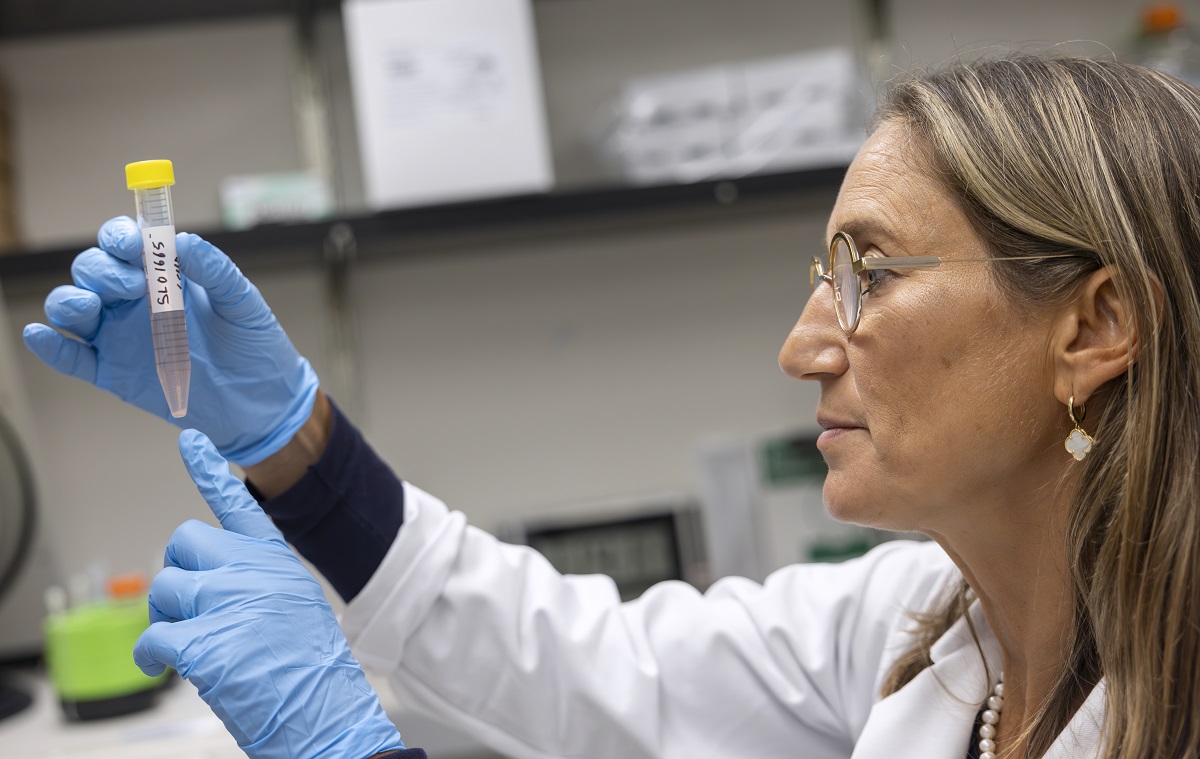
Penn State advances pediatric cancer research through new targeted therapy collaboration
Penn State College of Medicine is advancing its commitment to cutting-edge cancer research and early-phase clinical trials through a new collaboration aimed at accelerating a promising targeted therapy for pediatric brain[...]
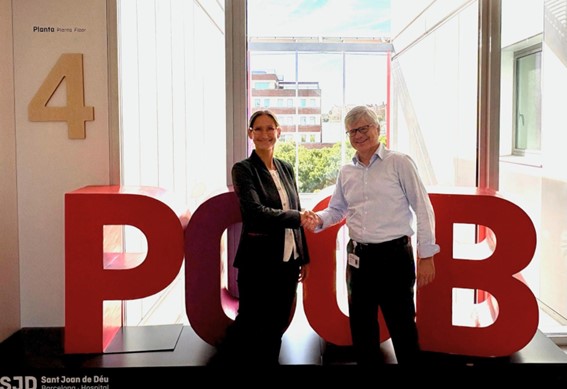
Penn State’s Beat Childhood Cancer Research Consortium welcomes SJD Pediatric Cancer Center Barcelona, strengthening global leadership in pediatric cancer research
The Pediatric Cancer Center Barcelona (PCCB) at Hospital Sant Joan de Déu has become the first center outside North America to join the Beat Childhood Cancer (BCC) Research Consortium, an international pediatric cancer research[...]
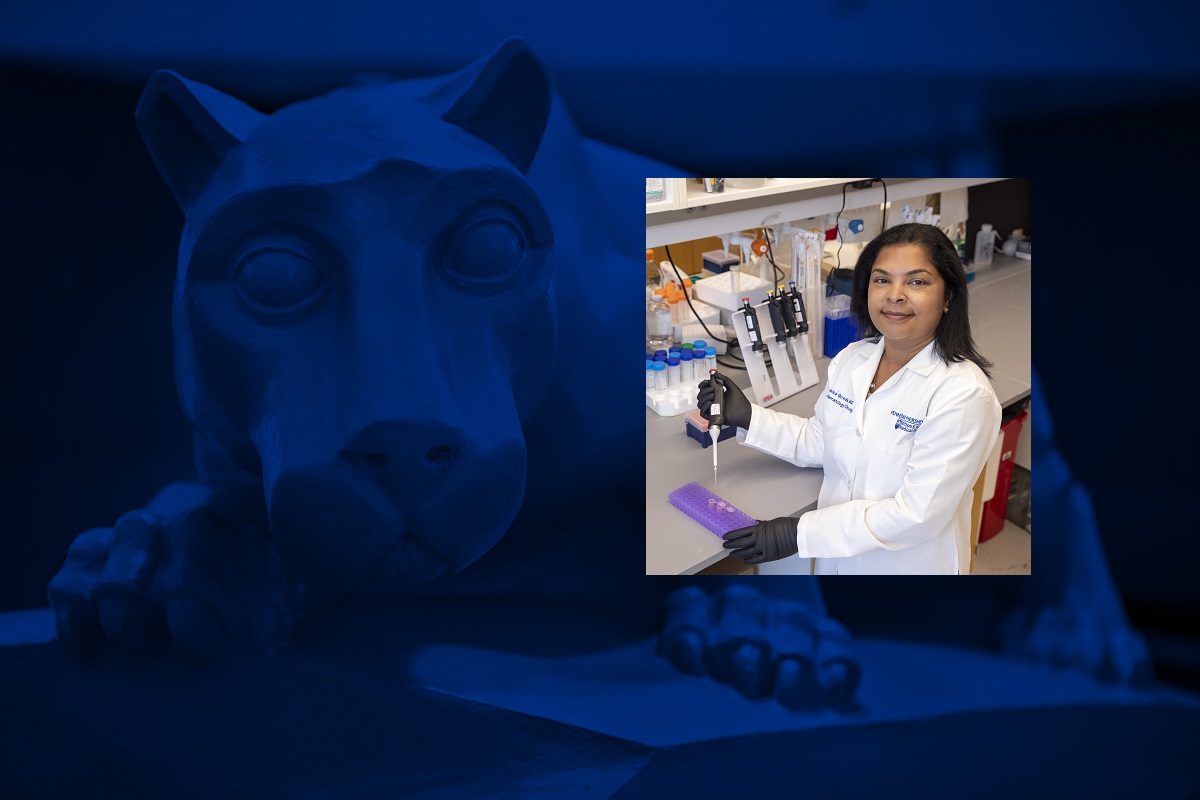
Penn State College of Medicine, Beat Childhood Cancer Research Consortium and Four Diamonds launch clinical trial that aims to combat solid tumors
In a step toward fighting solid tumors in children and young adults, Penn State College of Medicine, the Beat Childhood Cancer Research Consortium and Four Diamonds, along with Senhwa Biosciences, Inc. are launching a pioneering clinical[...]

Q&A: Finding novel therapies for childhood cancer
Since the first time she treated a child with neuroblastoma, Giselle Saulnier Sholler wanted to do the impossible for her patients. Neuroblastoma is the most common extracranial solid tumor in children with[...]

FDA approves pediatric neuroblastoma drug based on Penn State professor’s work
Giselle Saulnier Sholler, professor of pediatrics and of pharmacology, reflects on 20 years working to change cancer outcomes for children HERSHEY, Pa. — In 2003, the first year of her[...]
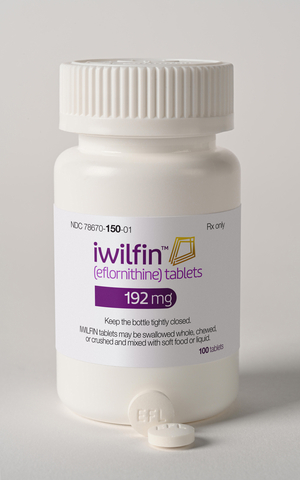
US WorldMeds Announces FDA Approval of IWILFIN™ (eflornithine) to Strengthen Fight Against Aggressive Childhood Cancer
LOUISVILLE, Ky.--(BUSINESS WIRE)--USWM, LLC (US WorldMeds) today announced that the U.S. Food and Drug Administration (FDA) has approved IWILFIN™ (eflornithine) 192 mg tablets, a groundbreaking oral maintenance therapy for high-risk[...]
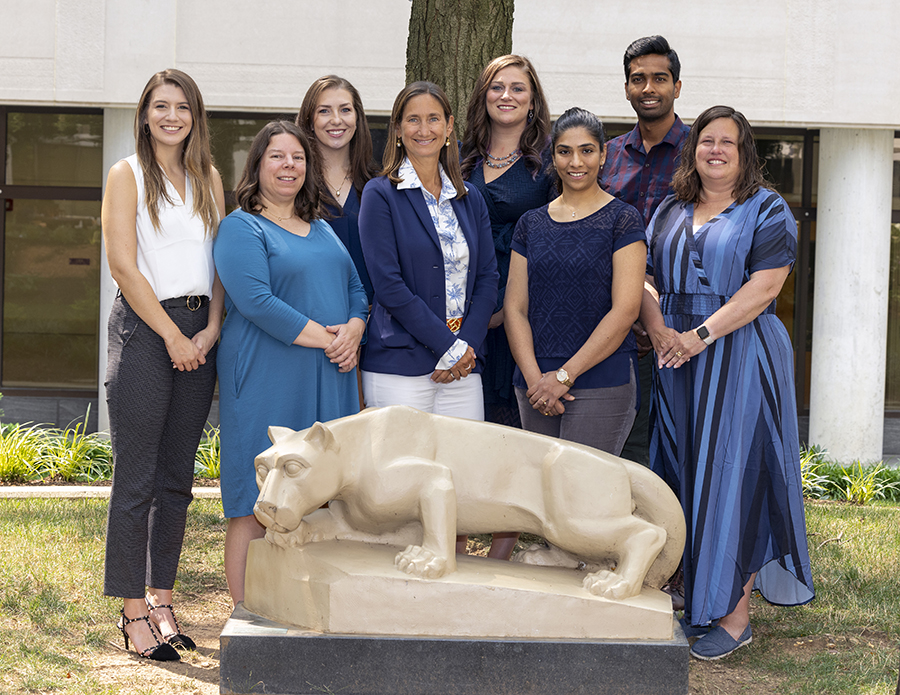
Penn State Health recruits leading researcher to fight pediatric cancer
Cris Collingwood//August 2, 2023 An internationally known physician-scientist and her research consortium have joined Penn State Health to continue efforts to eradicate pediatric cancer. Penn State Health and Penn State College of Medicine[...]

The Power of Will
Will Lacey was just a baby when doctors diagnosed a rare form of cancer and told his family there was only one end. Nobody then could imagine the journey ahead,[...]

Michigan Child Trials Target Genetic Roots of Cancers
Thank you Detroit News for featuring a story about the work we are doing. It wouldn’t be possible without the support of Dell, TGen Foundation and our generous community. Together,[...]


Research: Beat Childhood Cancer
The Beat Childhood Cancer Research Consortium is a group of 54+ universities and children's hospitals

$3 million to change what’s possible for kids with cancer!
We are proud to officially announce the $3M commitment from Beat Childhood Cancer Foundation made to the Beat Childhood Cancer Research Consortium at the 2026 Annual Meeting earlier this month!
This commitment represents the 2025 commitment by the Foundation and our generous partners to fuel the clinical trials and collaborations that bring better, safer, more personalized treatments to kids FASTER. This check also represents the largest single-year contribution by the Beat Childhood Cancer Foundation thanks to our generous partners, parents and supporters.
This effort is built by parents. Driven by urgency. Focused on what kids actually need.
Hope isn’t just a word. It’s an action.
.
.
.
Team Parker for Life
Milan's Miracle Fund
Golf Fights Cancer
Mighty Millie Foundation
Summer's Way Foundation
Research: Beat Childhood Cancer

Thank you to EVERYONE who joined us this week for the Beat Childhood Cancer Research Consortium Annual Meeting!
These meetings provide a valuable opportunity to reflect on what we’ve accomplished together over the past year, but, even more importantly, they help us set a clear and strategic course for what we aim to accomplish in 2026.
The collective energy, engagement, and expertise in the room underscored the strength of this consortium and our shared commitment to advancing childhood cancer research.
Our coordinator breakout sessions created space for education and guidance to support the critical operational work happening across sites. The donor breakouts offered meaningful opportunities to reconnect with our mission and highlight the real-world impact of our efforts. And the PI breakouts functioned as true working sessions, moving projects forward, aligning priorities, and making important decisions that will shape the future direction of the consortium.
Thank you all for your time, preparation, and dedication. The work during this meeting will directly inform our next steps and continue to propel our shared mission forward.
Thank you to our meeting Sponsors: US WorldMeds, Caris Life Sciences, Ymabs Therapeutics, and Senhwa Biosciences
Big news!! The Beat Childhood Cancer (BCC) Research Consortium at Penn State University has partnered with the National Cancer Institute (NCI) Clinical Proteomic Tumor Analysis Consortium (#CPTAC) 🤝. Both consortiums aim to better understand each child’s tumor and improve care through advanced proteomic + genomic testing. CPTAC and BCC will work closely with Penn State’s Precision Medicine Program and Molecular Tumor Board team to assess whether proteomic findings could refine, confirm, or modify therapy recommendations for individual patients. This collaborative review process is designed to evaluate the real-world clinical utility of proteomics in treatment decision-making, particularly in complex or ambiguous cases.
dctd.cancer.gov/about/news-events/news/2025-news/collaboration?cid=eb_govdel
The Beat Childhood Cancer Research Consortium is thrilled to welcome GRAACC Hospital in São Paulo, Brazil!!
GRAACC is a renowned leader in caring for children with complex cancers, and this partnership expands access to innovative clinical trials for families across Latin America. Together, we’re accelerating discovery, advancing equitable care, and bringing hope to children everywhere.
Our group now spans over 55 hospitals across 3 continents. This is something we have been dreaming about for a while now and it is now a reality. Our first study, BCC018, to open in Brazil is submitted to the regulatory authorities and is pending approval to open enrollment.
Read more in our press release: pennstatehealthnews.org/2026/02/penn-states-beat-childhood-cancer-research-consortium-welcomes-gr...
#PediatricCancer #GlobalResearch #BeatChildhoodCancer #GRAACC #PennState #ClinicalTrials
Penn State’s Beat Childhood Cancer Research Consortium welcomes GRAACC Hospital in São Paulo
pennstatehealthnews.org
Penn State College of Medicine and the Beat Childhood Cancer (BCC) Research Consortium are proud to announce the addition of GRAACC Hospital in São Paulo, one of Brazil’s leading pediatric oncology...
Every day, they remind us why we do this work. Their laughter, their courage, their imaginations, their futures...this is what drives the Beat Childhood Cancer Research Consortium.
We fight for more moments, more milestones, and more tomorrows for every child and family facing a childhood cancer diagnosis.
#beatchildhoodcancer #ourwhy #pediatriccancerresearch #clinicaltrialssavelives #PennStateHealth