
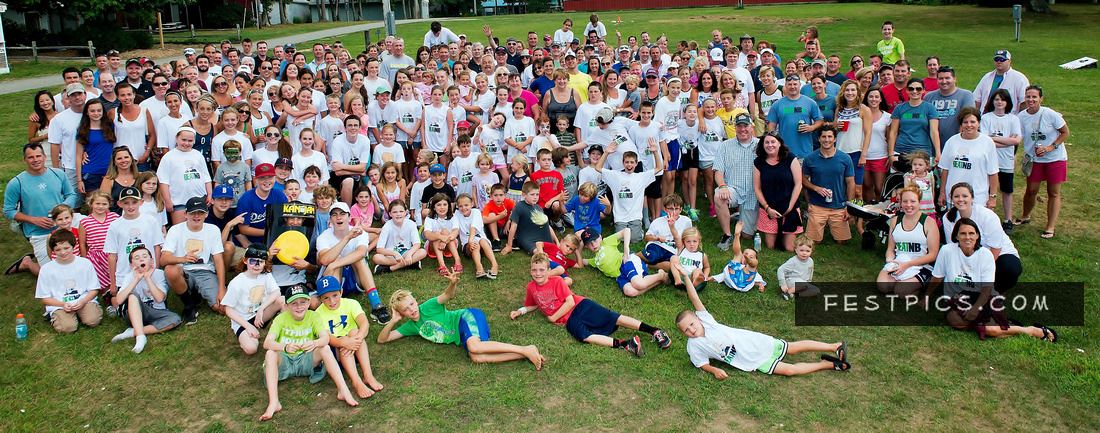
$1,100,000 for Beat Childhood Cancer Research!
On December 24, 2014 the Grand Rapids community surpassed the Million Dollar Challenge by raising $1,100,000 for NMTRC research! This donation was then matched by a generous Beat NB donor[...]
Endowment Gift Establishes Haworth Family Pediatric Oncology Innovative Therapeutics Clinic at Helen Devos Children’s Hospital
Children fighting cancer have new hope thanks to an endowment gift from Dick and Ethie Haworth to the Helen DeVos Children’s Hospital Foundation. Their major gift establishes the Haworth Family[...]


Research: Beat Childhood Cancer
The Beat Childhood Cancer Research Consortium is a group of 54+ universities and children's hospitals

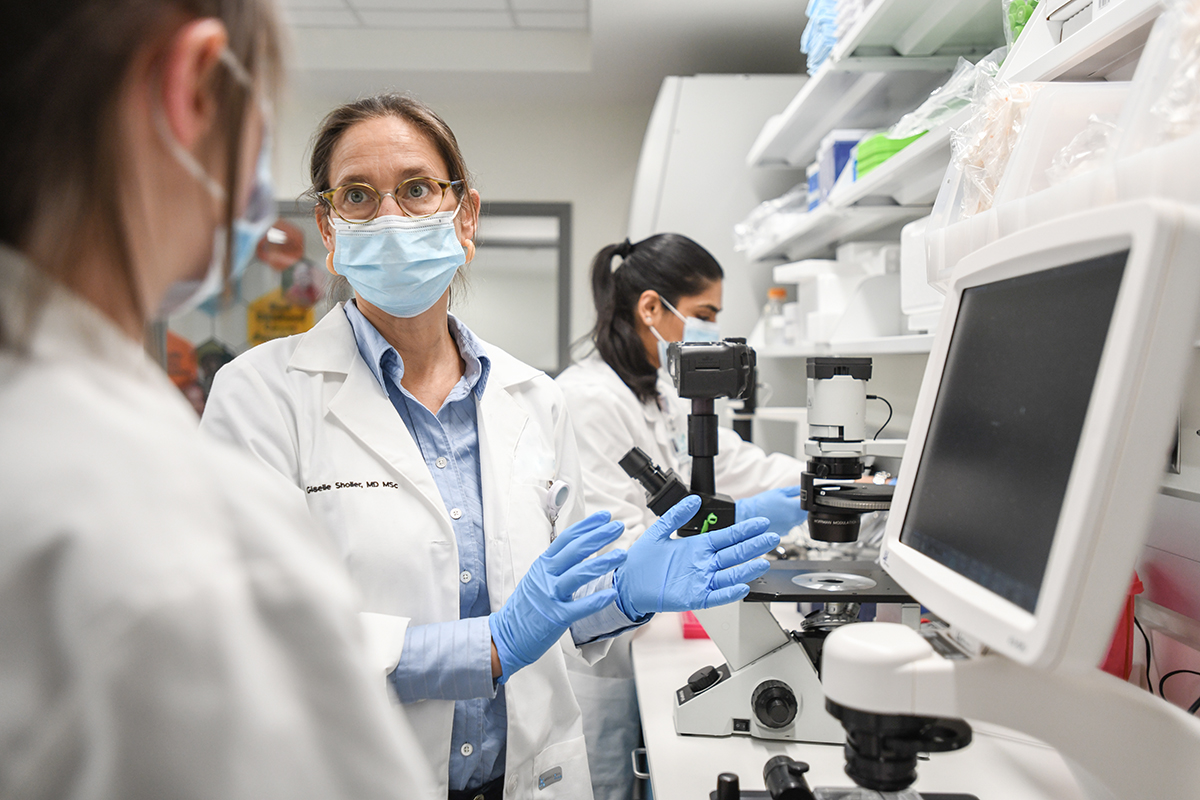
🔬 Behind every breakthrough in preclinical pediatric cancer research, before treatments get to patients, are dedicated laboratory teams.
🌎 Samples from Beat Childhood Cancer sites around the world arrive at the BCC Lab, where research technologists and other scientists work to transform patient samples into opportunities for discovery. This work begins with processing blood, bone marrow, and tumor tissue, preserving valuable biospecimens, and developing patient-derived cancer cell lines and organoid models that accurately reflect each child's cancer.
Research Technologists like Meenakshi Shukla play a critical role in maintaining these living tumor models and generating high-quality biological data that fuels translational research. These models allow scientists to study how cancers grow, understand the molecular drivers behind disease, identify biomarkers, and evaluate novel drug combinations before they are tested in patients.
Working closely with laboratory colleagues, research technologists help to create the foundation for research that bridges the gap between the laboratory and the clinic. By ensuring that every patient sample is carefully processed, characterized, and studied, the lab team helps accelerate discoveries that can inform future clinical trials and improve outcomes for children with cancer.
From a single patient sample to the development of new therapeutic strategies, each step in the lab brings us closer to more effective and personalized treatments for pediatric cancer.
Learn more about our work in the BCC Lab at sites.psu.edu/shollerlab/
#ResearchTechnologist #beatchildhoodcancer #pediatriconcology #cancerresearch #translationalresearch

Behind every precision medicine breakthrough and promising new therapy are countless dedicated professionals working together to advance childhood cancer research. This month, we will spotlight some of the many individuals who make up the clinical trial infrastructure that powers the Beat Childhood Cancer Research Consortium.
While groundbreaking discoveries often receive the most attention, they would not be possible without the teams working behind the scenes to support patients, families, researchers, and clinical trials every day. It takes a nationwide network of committed professionals to bring new treatment opportunities to children and improve outcomes for patients.
Among these essential team members are the clinical research coordinators and research nurses who support studies at each of our BCC sites across the country. Clinical research coordinators oversee the day-to-day operations of clinical trials, including consenting and enrolling patients into studies, collecting and managing clinical data, ensuring protocol requirements are completed on schedule, and coordinating the collection of research specimens. Their work helps transform patient participation into meaningful research, ensuring that data and samples can be used to better understand childhood cancers and identify new treatment approaches.
Riley Bender, a clinical research coordinator at BCC Site #22, is one of many professionals across the consortium helping to make this work possible. Reflecting on the impact of research participation, she shared, "“We work with patients from across the country and around the world,” Bender said. “The data they contribute isn’t just stored away, and the tumor samples aren’t simply sitting in a biobank. They’re being actively studied, grown, and tested to help researchers better understand these diseases and identify potential new treatments.”
Stay tuned this month as we spotlight additional professionals whose behind-the-scenes work helps make groundbreaking research and improved patient outcomes possible.
Congratulations to our team on the publication of "Precision Medicine Directed Therapy Enabling Long-Term Survival in Medulloblastoma: A Case Report" in Frontiers in Oncology. This report highlights the power of precision medicine, molecular tumor board-guided treatment decisions, and targeted therapies in achieving long-term survival for a child with relapsed medulloblastoma. The patient remains disease-free nine years after relapse, demonstrating the potential impact of individualized, genomics-driven care.
We are especially proud to recognize Laura Vazquez and Jonathan Lerch as contributing authors on this publication. Laura began her journey with our team as a research intern and now serves as a Research Coordinator at Penn State, while Jonathan is a Research Technician in our POTR Lab. As both work toward their future goals of attending medical school, this publication reflects their dedication to pediatric cancer research and their passion for advancing treatments that improve outcomes for children with cancer.
📖 Read the publication: doi.org/10.3389/fonc.2026.1855992
#BeatChildhoodCancer #PediatricCancerResearch #PrecisionMedicine #FuturePhysicians #Medulloblastoma
Beat Childhood Cancer Research Consortium has announced the implementation of the WeTrials AI-powered patient engagement platform to help families discover, understand and engage with pediatric cancer clinical research opportunities across the consortium’s study portfolio.
The platform provides families with a centralized destination to explore Beat Childhood Cancer studies through simplified study information, personalized educational and support experiences, and AI-powered engagement tools designed to help families navigate the clinical research journey with greater confidence and understanding.
Families can access the platform at research.beatcc.org/hospitals-trials/
Here is the link to the full press release to read more: pennstatehealthnews.org/2026/07/beat-childhood-cancer-at-penn-state-college-of-medicine-launches-...
Even more improvements coming to the platform soon including interactive videos and much more!
This week, Dr. Michael Huang presented at the International Symposium on Pediatric Neuro-Oncology (IPSNO) Conference in Sydney, Australia, where he highlighted our actively enrolling clinical trial, BCC016.
This study is evaluating Eflornithine (DFMO) for children with molecular high-risk, very high-risk, and relapsed/refractory medulloblastoma.
“The 5-year survival rate for medulloblastoma, the most common childhood malignant brain tumor, is about 70%. Unfortunately, for the other 30% of children whose cancer recurs, the 5-year survival is close to zero. Our hope is that DFMO/Eflornithine can prevent relapse or further disease progression in patients with medulloblastoma who have poor molecular risk features.” - Dr. Michael Huang.
We’re proud to advance research that aims to bring hope to children and families facing this disease. 💛
BCC018, utilizing naxitamab, an anti-GD2 immunotherapy, is officially open to enrollment at both GRAACC Hospital in São Paulo, Brazil and Sant Joan de Déu (SJD) in Barcelona, Spain.
This marks an important milestone in global collaboration, expanding access to innovative therapies for children worldwide. By opening enrollment across international sites outside of North America, we can accelerate trial completion, generate critical answers sooner, and move promising treatments closer to the patients who need them most.